VEREDICTO FINAL DE LA
CORTE DE LA HAYA
(27/01/2014)
Fuente:
http://www.youtube.com/perupresente
Mandatarios se reunieron en marco de la Cumbre y dieron por superado polémica por ingreso de militares chilenos a territorio peruano.
VÍDEO:
El presidente Ollanta Humala y su homólogo chileno Sebastián Piñera se reunieron en el marco de la VI Cumbre de las Américas que se realiza en Cartagena de Indias (Colombia), donde dieron por superado el impasse que surgió tras las labores de desminado en la frontera Perú-Chile que motivó una nota de protesta por el ingreso de militares chilenos a territorio peruano sin el permiso correspondiente.
El mandatario manifestó que ambos gobiernos han decidido contratar a un tercero para que dentro de una política humanitaria se despeje de minas antipersonales la zona comprendida de quebrada de Escritos (Chile), ya que producto de las fuertes lluvias estos artefactos habrían traspasado el punto limítrofe.
"El crecimiento de la quebrada Escritos ha arrasado con minas al mar y hacia el norte (...) Ahora tomaremos acciones para el proceso de desminado que involucra a ambos territorios", sostuvo en conferencia de prensa.
Ante la pregunta de una periodista chilena, el mandatario aseveró que el tema ya está superado, por lo que espera mantener las buenas relaciones con el vecino país del sur, reforzando la cooperación y asegurando su presencia en la Cumbre del Pacífico, a realizarse en junio próximo en Santiago de Chile.
De esta manera, el jefe de Estado reiteró su compromiso con las tareas de desminado en coordinación con Chile para no afectar el libre tránsito. "No podemos permitir que esas minas estén silvestres por allí. Imagínense que un periodista o un ciudadano pase por allí y se vuele", finalizó entre risas, lo cual causó la sorpresa de los hombres de prensa.
Fuente:
http://www.rpp.com.pe/2012-04-14-humala-y-pinera-acuerdan-contratar-a-tercero-para-desminado-de-frontera-noticia_471921.html
Apple contará con su primera oficina en el Perú, se tratará de la primera tienda oficial de la empresa que venderá de forma directa los dispositivos tan deseados.
A pesar de que existen otros centros como las iStores del Jockey Plaza o Plaza San Miguel, estas son distribuidoras que cuentan con licencia para comercializar los productos y no representantes directos de Apple en el Perú.
La tienda que se ubicará en el Óvalo Gutierrez, ofrecerá los dispositivos de Apple y se espera que esto se traduzca en una reducción de precios y lanzamientos más inmediatos, de forma que no se deba esperar meses para recién contar con la oferta en el país.
Fuente:
http://www.rpp.com.pe/2012-02-21-apple-abrira-primera-tienda-oficial-en-el-peru-noticia_453368.html
Fuente:
http://diariocorreo.pe/nota/40696/anonymous-se-quita-la-mascara-y-convoca-a-manifestacion-mundial/

La comida peruana es la nueva sensación en el mundo, pues cautiva a los paladares más exigentes y conocedores por su especial sabor, que la pone al nivel que la española y coreana, afirmó hoy la edición virtual del diario estadounidense The Wall Street Journal.
“Hagan sitio España y Corea, Perú está teniendo su momento de gloria gastronómica”, dice la publicación, para luego advertir que el sabor peruano es ahora su más fuerte competidor.
Remarca, asimismo, que la culinaria peruana es el resultado de 500 años de mestizaje e influencias españolas, africanas, japonesas, chinas y nativas.
Sobre los ingredientes clave que hacen de la comida peruana una de las más deliciosas del mundo, The Wall Street Journal menciona al ají amarillo y el limón, cuyo nivel de acidez permite marinar pescados y mariscos.
Destaca igualmente la predominancia de la papa en las preparaciones, tubérculo originario de Perú y donde existen más de 3,000 variedades.
“El cebiche, el plato más famoso del país, también se sirve acompañado por trozos de papa amarilla o camote; mientras que la famosa causa consiste en un puré de papa que se sirve frío con ensalada de pescado o pollo”, destaca la nota.
Como evidencia del "boom" de la gastronomía nacional, el artículo señala que el reconocido chef español Ferrán Adriá realizará próximamente un documental sobre el fenómeno culinario peruano y que el chef nacional más destacado, Gastón Acurio, abrirá a fines de este mes un enorme restaurante en Manhattan.
“Quiero que el mundo sepa lo que ocurre ahí (en Perú). Estoy entusiasmado con los sabores y la comida, además con la red social compuesta por la misma comida, los granjeros, los chefs y la gente”, dice Adriá en declaraciones que reproduce el diario estadounidense.
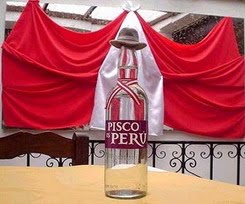
A ello se suma el hecho de que la guía gastronómica Zugat nombra actualmente a cuatro veces más restaurantes peruanos en Nueva York, San Francisco, Miami, Los Ángeles, Boston y Filadelfia que hace diez años; y que el pisco, la bebida de bandera, ha duplicado sus ventas.
“Los asistentes (a la feria Mistura) descubrirán una cocina única en Latinoamérica. La gastronomía peruana contiene una gran cantidad de pescados, que a menudo son preparados crudos o marinados. Los ácidos fuertes como el jugo de limón y la cebolla roja son sabores omnipresentes; además, el delicado sabor del ají deja un hormigueo en los labios”, agrega.
Reproduce también declaraciones de Danny Meyer, propietario de un restaurante en Nueva York y líder del Union Square Hospitality Group, quien dice estar seguro de que la cocina peruana "va a ser grande" y que "la comida nacional es el tipo de alimento que puedes comer frecuentemente y que te hará sentir virtuoso, saludable y sexy".![[peru99]](https://lh3.googleusercontent.com/blogger_img_proxy/AEn0k_uw321OjQ50KtsJyik1WZnUgCe7jBVKAgqkrT5sBiZTqe5wcV8ARG7BzZ_2FyMKh3lbzSyNfLzDpniWPU2JnhXZMHM1a61ui7zQr_w6Db16vHVMSYEQtBbh7TAf99PkTyb84jGvSUwApkBYRQFyjLtuFg=s0-d)
THE RAW TRUTH | Peruvian-style ceviche, like the sea bass marinated in lime juice pictured here, is typically made with onions and a yellow chili called aji amarillo.
Make room Spain and Korea, Peru is having its moment in the gastronomic sun.
Yesterday, a crew of the culinary world's leading lights, including Denmark's René Redzepi, France's Michel Bras and America's Dan Barber began descending on Lima for a star-studded food festival. This week, Spain's Ferran Adrià, the unofficial dean of global haute cuisine, will begin making a documentary film about the food scene there. A huge restaurant from the nation's top celebrity chef will open later this month in Manhattan.

Peruvian food isn't well known in the U.S., but it is a hot food trend in the high-end dining scene these days. Ricardo Zarate of Picca restaurant in Los Angeles provides a look at some key elements.
Peruvian cuisine, the result of a nearly 500-year melting pot of Spanish, African, Japanese and Chinese immigration and native Quechua culture, is on the lips of top chefs worldwide. Zagat Survey lists four times more Peruvian restaurants in New York, San Francisco, Miami, Los Angeles, Boston and Philadelphia than it did a decade ago. The cuisine's key ingredients (like aji amarillo, a yellow chili) are now found at farmers' markets frequented by chefs, and sales of pisco, Peru's fiery grape brandy, have doubled in the last five years. Ceviche, the country's famous cured-seafood salad, abounds on menus, even outside of Peruvian spots: Haute cuisine temples Le Bernardin and Daniel both serve it. Peruvian chefs say they are able to entice investors to finance homages to their national cuisine for the first time.
Mr. Adrià said he became intensely interested in Peru after members of his team went there and came home raving about the food scene. He decided to take his first visit this month to make a documentary about what he discovers.
"I want the world to know what's happening there. I'm excited about the flavors and the food, and also the social web of the food, farmers, chefs and the people," Mr. Adrià said.
Top chefs from around the world will be gathering in Lima over the next few days for Mistura, a 10-day food festival that began in 2008 and has become the most important food event in Latin America, attracting a projected 300,000 visitors this year. There they will discover a cuisine unique in Latin America. Peruvian food features a lot of seafood, often prepared raw or cured; high acid—Key lime juice and red onion are ubiquitous flavors; and a subtle hint of spice provided by the fruity aji pepper, which leaves lips tingling. Peruvian food also uses lots of potatoes—there are about 3,000 varieties in Peru, where the tuber originated. Ceviche often features pieces of either yellow potato or yam, and mashed potatoes are served cold, with fish or chicken salad as toppings, in a dish called causa.
For diners unfamiliar with Peruvian food, there's a gateway in the form of the Japanese influence on the cuisine. Many of the best-loved recipes, including tiraditos (slices of raw fish, dressed in flavorful sauce) and anticuchos (grilled skewers of marinated meats and shellfish), will remind diners of their favorite Japanese dishes, but with a twist. The country's influence in Peruvian food is no surprise: There are an estimated 90,000 Japanese descendants in Peru, a country of about 30 million people.
Many international cooks have been drawn to Peru by Gastón Acurio, the country's top celebrity chef, who is dedicated to proselytizing his national cuisine the world over. The 43-year-old Mr. Acurio, who opened his first restaurant in Lima in 1994, now has 32 restaurants in 14 cities worldwide.
Restaurateur Danny Meyer, who helped shepherd Mr. Acurio into the Manhattan space vacated by Mr. Meyer's Tabla restaurant, says he believes Peruvian food "will be huge."
"This is the kind of food you can do very frequently and feel virtuous, healthy and sexy," said Mr. Meyer, who had never eaten a Peruvian meal before dining at Mr. Acurio's San Francisco restaurant last year.
Mr. Acurio has urged industry friends, including Wylie Dufresne, Dan Barber and, this spring, Mr. Meyer, to visit Peru, and given them a tour of his eateries, demonstrated ingredients and sent them to the best restaurants he knows.
"The big mission is to use Peruvian food as an instrument to put our culture in the world," Mr. Acurio said.
A 2009 food tour of Lima made a profound impression on Mr. Barber, said the chef, who owns Blue Hill in Manhattan and Blue Hill at Stone Barns in Pocantico Hills, N.Y., and has cooked for the Obamas.
"I was thrilled by the food, experiencing flavors I don't usually get to experience," Mr. Barber said. "The raw fish stuff was brilliant, consistently incredibly flavorful and refreshing and filling."
Daniel Patterson, of Coi and Plum in the San Francisco Bay area, returned from a trip down the Peruvian Amazon in January, full of inspiration. While Mr. Patterson doesn't plan on recreating recipes—he only cooks with local ingredients—he said the techniques he observed "will change me in some way."
"The way they play with acid and spice is very different," he said, noting the high acid in some dishes.
Growing enthusiasm for his national cuisine helped chef Ricardo Zarate achieve his dream of opening a Peruvian restaurant after a decade of frustration. Mr. Zarate, who went to cooking school in Lima, spent 12 years working in high-end Japanese restaurants in London. Convinced that Peruvian food deserved a place on the world stage, he began hunting for investors in 2001, but couldn't convince enough deep pockets that it was the next big thing. Finally, in 2009, while living in Los Angeles, he pulled together $30,000 and opened Mo-Chica, a stand serving six dishes in a market food court in downtown Los Angeles.
After a nerve-rattlingly slow three weeks, Mo-Chica was soon packed, won a slew of honors and attracted a business partners and investors. In June, Mr. Zarate opened Picca, a glamorous, loft-like restaurant serving Peruvian food with a heavy Japanese accent in Los Angeles. He plans a host of other Peruvian restaurants.
"It all happened because Peruvian food has a special flavor," he said.
From chef Ricardo Zarate of Picca and Mo-Chica in Los Angeles
![[GARLIC]](https://lh3.googleusercontent.com/blogger_img_proxy/AEn0k_setM7bapXc2gnNVVVvuEFv1yWs5Nr3mDnQkuoQ9IdqTf9FZiO76wN_dCrVXKIaxH8iKR7ACSHkTKnVKuSbfNayr3WqAnKCRzyF9DO_xusKIhXi7xGdnP98KfhElqc40TEifS4NOFp1UGf_lZdF3EFx3g=s0-d)
For the sauce:
For the ceviche:
Notes: Aji amarillo is a yellow Peruvian chili paste found in Latin markets.
1. In a blender, purée all the sauce ingredients until smooth.
2. Sharpen a long, thin knife and slice sea bass into 1/3-inch cubes.
3. Mix the sauce with all the ceviche ingredients and let marinate for 15 minutes before serving. Ceviche is best eaten immediately but will also be good, though different, after an hour or two. Keep chilled at all times.
VÍDEO:
Fuentes:
http://online.wsj.com/article/SB10001424053111904199404576540970634332968.html?KEYWORDS=mistura#
http://online.wsj.com/video/from-peru-the-melting-pot-cuisine/AD957528-BB7B-4438-BE6D-60744222D065.html (VÍDEO con subtítulos en español e inglés).




 Entradas
Comentarios
Entradas
Comentarios
¡Escucha la nueva canción de Gianmarco compuesta de manera exclusiva para nuestra selección de fútbol con miras al Mundial Brasil 2014:

Contador 2 activado desde el 27/10/2011 Contador 1 activado desde el 27/10/2010












.jpg)